
Connection through collaboration
Applied RPG practice is the combination of mental health counseling with the modality of tabletop role playing games. I have been facilitating RPGs games for most of my life. All of the different systems like Dungeons & Dragons, Pathfinder and Vampire were second nature to me. I had also developed my own style as a game master. I realized that allowing the players to explore their character’s personalities, and the narrative world around them created an enjoyable playing experience.
During my time in graduate school I found opportunities to make connections between various mental health theories and these same Tabletop Role Playing Games. I determined that no one game system was perfectly suited for adaptation into any counseling theory, however, there were some very clear connections. Specifically, the theories proposed by people like Carl Rogers, Steve De Shazer and Insoo Kim Berg. The theories of Person Centered therapy and Solution-Focused Brief Therapy, as well as their prospective founders, had similarities to how a competent game master may facilitate a role playing table. The more I learned about what it took to become a good counselor, the more I realized a good game master shared many of the same characteristics.
Anyone who has taken a masters level counseling theory class can tell you, the theories you learn about are varied. To the best of my knowledge there is no single piece of accepted “theory” regarding how to practice as a competent counselor. Practitioners do have their favorite styles and there are certainly ethical requirements, but it’s generally assumed that different types of mental health approaches work better than others for certain types of client goals or issues.
Most counselors are trained in specific styles of counseling. Some practice styles like cognitive behavioral therapy, Acceptance and Commitment Therapy, Reality Therapy or Gestalt Therapy. I’ve always visualized the various styles of counseling like different styles of martial arts. Anyone who has ever watched anime like Rouoni Kenshin, Baki the Grappler or Dragon Ball Z are familiar with the idea of a practitioner of a certain style challenging fighters from another school. In the case of being a counselor the idea is similar. Some counselors are initially trained in one school of counseling, cognitive behavioral therapy for instance, but as they progress in their career they are likely to learn other styles. Adlerian, Narrative, EMDR and faith based counseling are all styles that people may learn initially or incorporate as they grow.
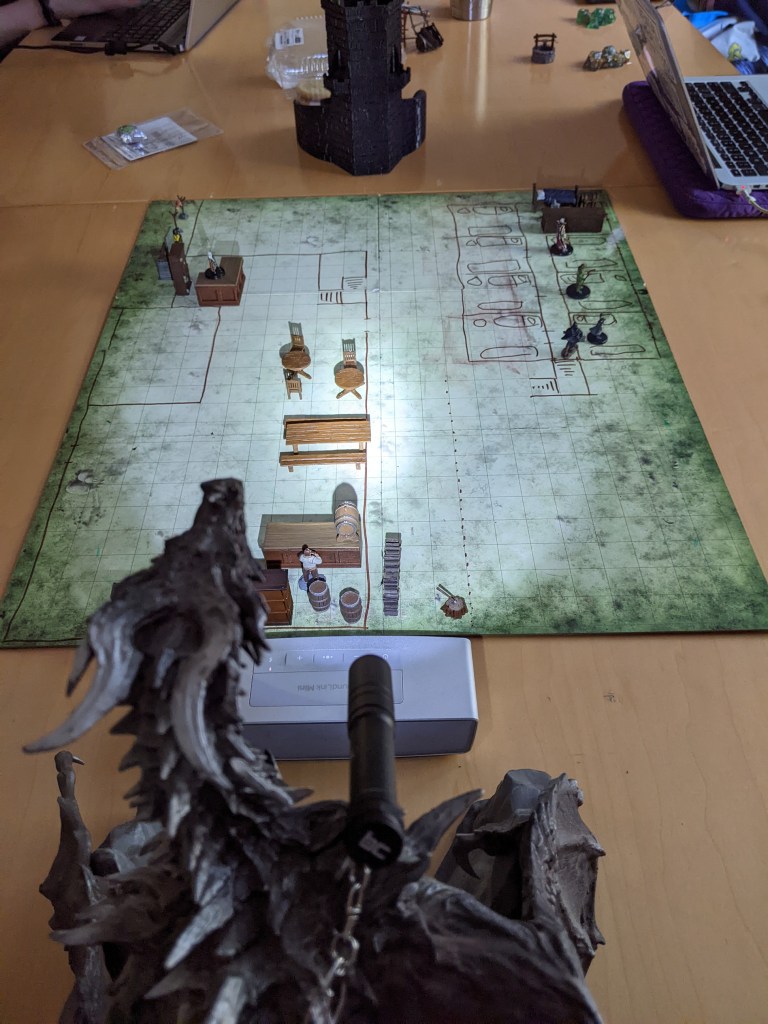
The same can be said for game masters. There are different types of role playing games and game mastering styles that are more fun and engaging for different kinds of players. However, unlike a graduate counseling program, there is no formalized education on how to be a game master. Instead, there is almost an oral tradition that many game masters participate in. Learning from mentors, and learning from their mistakes. Some game masters have distinct styles that may seem boring or even stupid to other game masters. This diversity of styles has led to a plethora of game masters. With that in mind, I want to explore the way I have learned, and taught people, about how to run RPG groups with a combination of solution-focused brief therapy, person centered therapy along with several other counseling styles.
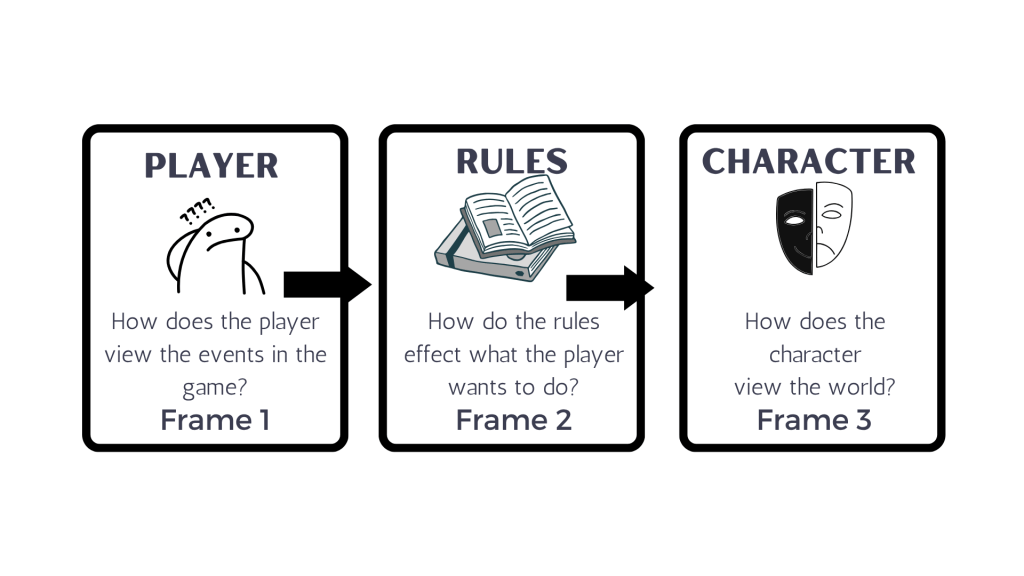
A brief caveat; my approach to facilitating role playing games is not meant to be prescriptive or claim to be ‘the best’. It is how I, and my colleagues in the Supportive Gaming Community at TCU choose to act when we are the Game Masters for our players. Every counselor and every Game Master will bring their own style, and life experience to their tables when they act as a therapist or GM. Their clinical training and experience at an RPG table will help to inform their own interpretations of their theories, which will ultimately provide a unique third frame of reality in the games they facilitate for players.

